
Sourcing Medical Disposables from China: OEM, Certifications and Logistics

China remains the center of gravity for medical disposables manufacturing, supplying a vast share of the world's face masks, gowns, gloves, syringes, dressings, and sterilization consumables. For importers, distributors, and hospital group purchasing organizations, the opportunity is enormous, but so is the variance in supplier quality, documentation, and reliability. The difference between a profitable, low-risk supply line and a costly compliance failure usually comes down to process: how you vet the manufacturer, how you structure the OEM relationship, how you inspect, and how you handle logistics and payment. This 2026 importer playbook lays out that process end to end, with reference to the breadth of the JPS Medical range.
Knowing the Range You Are Buying
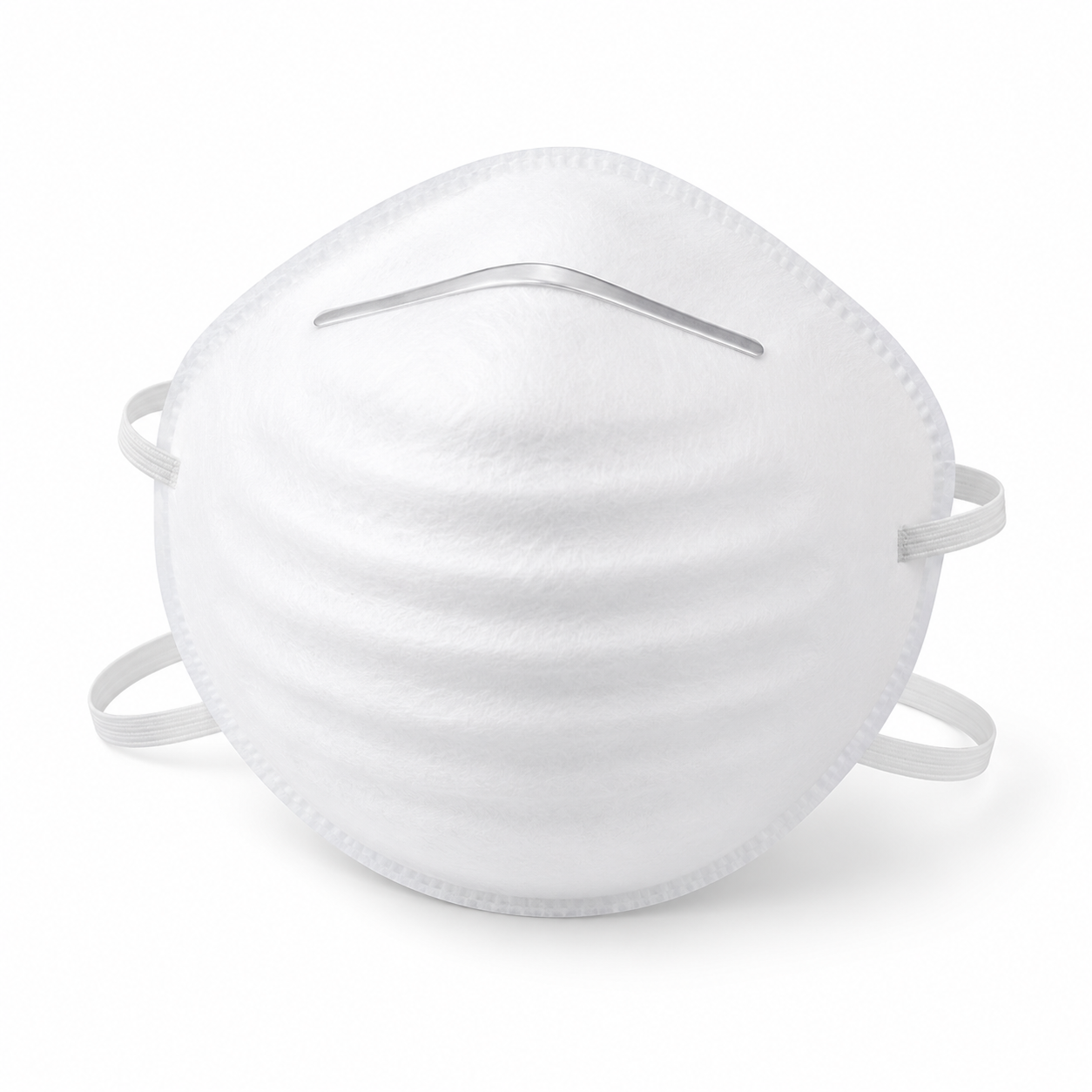
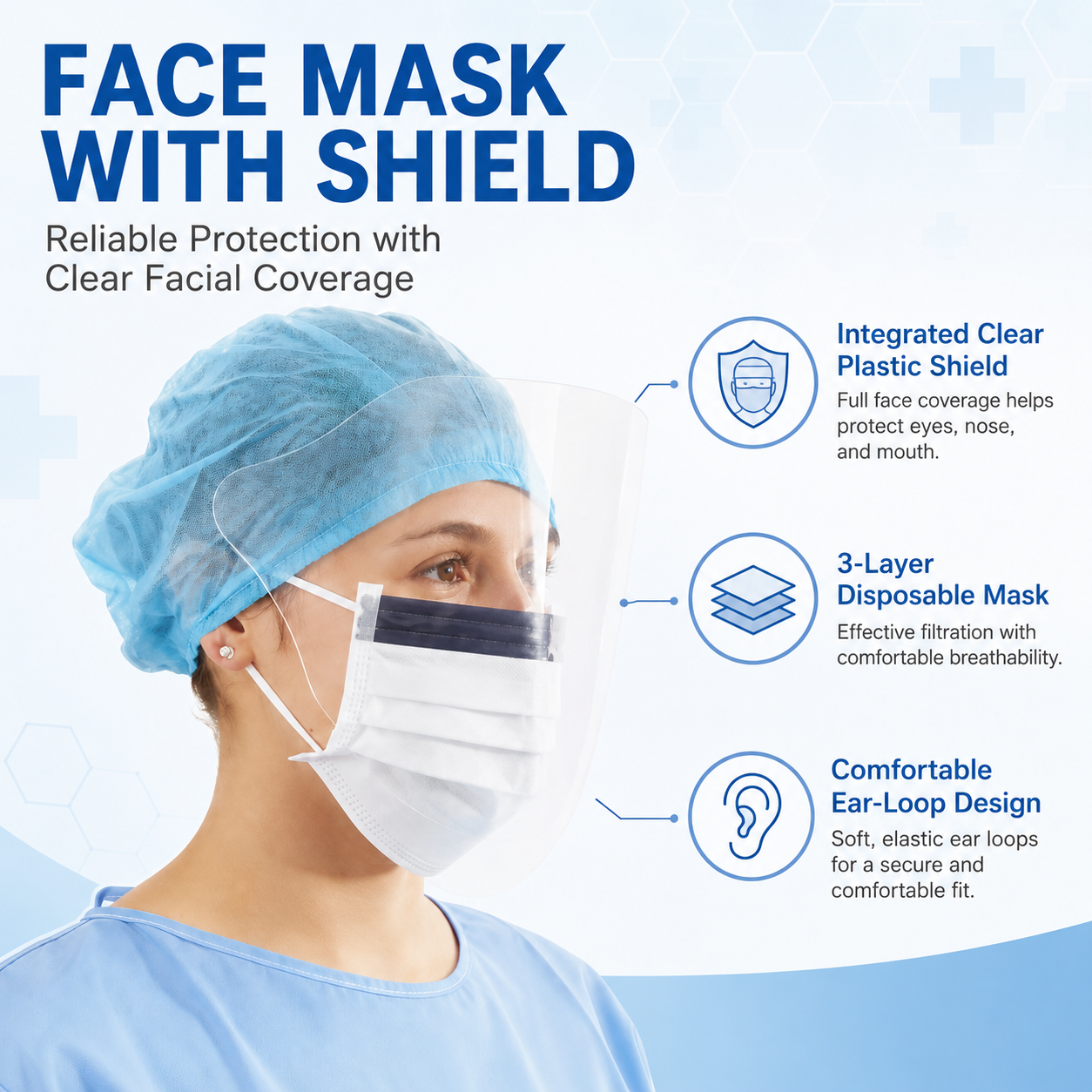
A capable disposables manufacturer offers a wide, coherent catalogue, and consolidating your buying with one such partner reduces audit overhead and freight fragmentation. The JPS Medical range spans the major categories an importer typically needs: face masks (from surgical masks to dust masks and face masks with shield), surgical and isolation gowns, examination and surgical gloves, sterilization products, surgical packs and procedure kits, wound dressings, syringes and needles, bandages, incontinence products, and head-to-toe PPE. Sourcing across this breadth from a single ISO 13485 supplier means one quality system, one set of certificates, and the ability to combine items into a full container rather than chasing dozens of small vendors.
Before contacting suppliers, define your own requirements precisely: destination market and its regulatory regime, intended use and risk class of each device, target specifications, branding needs, and forecast volumes. Vague enquiries produce vague quotes; a clear tech pack produces comparable, enforceable offers.
Vetting a Manufacturer: The Certificate and Audit Trail
The foundation of supplier vetting is the quality management system. Insist on a valid ISO 13485 certificate, the international QMS standard specific to medical devices, and verify it is current and issued by a recognized notified or certification body. ISO 13485 is the baseline; without it, no further conversation is warranted for regulated devices.
From there, the certificates you need are dictated by your destination market:
- European Union: CE marking under the Medical Device Regulation (MDR, Regulation (EU) 2017/745). Depending on device class, this involves a Declaration of Conformity and, for higher classes, a notified-body certificate. Confirm which route applies to each product and obtain the EU technical documentation references.
- United States: FDA establishment registration and device listing for the manufacturer, and, where the device type requires it, a cleared 510(k) premarket notification. Many Class I disposables are exempt from 510(k) but still require registration and listing; verify the specific status per product.
- Many other markets: a Certificate of Free Sale (also called free-sale certificate) demonstrating the product is legally marketed in its country of origin, plus local registration as required.
Beyond certificates, request product-specific test reports against the relevant standards: bacterial filtration efficiency and breathability data for masks (EN 14683 for medical face masks, or the respirator standards for filtering facepieces), EN 13795 for surgical drapes, gowns, and clean-air suits, gown barrier classifications, glove standards such as EN 455 and ASTM specifications, and biocompatibility data per ISO 10993 where applicable. A serious manufacturer produces these without friction; reluctance is a red flag. Where feasible, conduct a factory audit, in person or via a third party, to confirm the QMS is lived rather than just certified.
OEM Versus ODM and Private Labeling
Understanding the manufacturing model shapes both price and control. The two terms importers conflate most often are OEM and ODM:
- OEM (Original Equipment Manufacturer): the factory builds to your design and specification. You own the product definition; they manufacture it. This suits buyers with a defined product and brand.
- ODM (Original Design Manufacturer): the factory's own validated design is produced and sold under your brand. You select from their catalogue and apply your label. This is faster and lower-risk for standard disposables because the design is already validated and certified.
For most medical disposables, ODM with private labeling is the pragmatic path: you take a proven, certified product and customize the packaging, printing, color, and presentation. Private-label scope typically includes printed pouches and cartons, your logo and Pantone colors, multilingual labeling and instructions for use, barcodes and lot/expiry fields, and retail or institutional pack configurations. Lock every element of this into a signed tech pack and approve a physical pre-production sample before mass production. Remember that under MDR and FDA rules, putting your name on a device can carry regulatory obligations; clarify who is the legal manufacturer and economic operator for your market.
For regulated devices, the cheapest mistake to avoid is assuming a private-label arrangement is purely cosmetic. Whose name appears on the label, who holds the technical file, and who is the responsible economic operator are regulatory questions, not branding ones, and they must be settled before the first carton ships.
MOQ, Sampling and Pre-Shipment Inspection
Minimum order quantity (MOQ) reflects the manufacturer's setup, material, and changeover costs. High-speed lines for masks, gloves, and syringes need volume to be economic, so MOQs are real and non-trivial. You can manage them by ordering stock designs rather than fully custom products, consolidating SKUs into one container, and committing to a forecast or blanket order with scheduled releases, which gives the factory planning certainty and usually improves both price and lead time.
Quality assurance runs on two stages. First, sampling: obtain and test pre-production samples against your specification and the relevant standards before approving production. Second, pre-shipment inspection: an AQL-based inspection of the finished lot before it leaves the factory. AQL (Acceptable Quality Level, per ISO 2859 / ANSI/ASQ Z1.4 sampling) defines how many units are drawn and how many critical, major, and minor defects are tolerated before the lot is rejected. Specify the AQL limits in your purchase order (a common pattern is tighter limits for critical and major defects, looser for minor) and have a third-party inspection agency execute it on first orders and periodically thereafter. An inspection should verify dimensions, function, barrier or filtration claims where testable on site, packaging seal integrity, labeling accuracy, lot and expiry coding, and carton marking.
Incoterms 2020, Freight and Lead Times
Incoterms 2020, published by the International Chamber of Commerce, define exactly where cost and risk transfer between seller and buyer. Choosing the right term is fundamental to a clean transaction:
- EXW (Ex Works): you collect from the factory gate and bear all transport, export, and import responsibility. Maximum control, maximum effort.
- FOB (Free On Board): the seller delivers and clears for export, loading onto the vessel; you take over from the ship's rail. The most common term for sea freight from China and a sensible default for experienced importers.
- CIF (Cost, Insurance and Freight): the seller arranges and pays sea freight and insurance to your destination port; you handle import clearance onward. Convenient for buyers without freight relationships.
- DDP (Delivered Duty Paid): the seller delivers to your door with all duties and import clearance handled. Lowest effort for you, highest price and least visibility into the cost stack.
Match the term to your logistics maturity: experienced importers favor FOB for control over freight and insurance; newcomers may start with CIF or DDP. Decide between sea and air on the value-to-volume ratio. Sea freight is the norm for bulky, low-value disposables such as gowns, drapes, and incontinence products, with transit times measured in weeks; air freight is reserved for high-value, low-volume, or urgent items because disposables are voluminous and air cost scales with volumetric weight. Build realistic lead times: production lead time plus any sterilization and aeration, plus printing if custom, plus ocean transit and clearance. For sterile products, ethylene-oxide processing and aeration or gamma irradiation add real days, and the sterile barrier packaging should be validated to ISO 11607.
Documentation, Payment and Building the Partnership
Clean documentation moves goods through customs and protects you in a dispute. For each shipment, expect and check the commercial invoice, packing list, bill of lading or air waybill, Certificate of Origin (CO), and, where chemicals or certain materials are involved, a Material Safety Data Sheet (MSDS / Safety Data Sheet). For regulated devices, also assemble the conformity documentation your market requires: CE Declaration of Conformity, FDA registration and listing references, free-sale certificates, and test reports. Verify that lot numbers, expiry dates, and quantities reconcile across the invoice, packing list, and physical cartons; mismatches cause customs delays and complicate any later recall or traceability action.
On payment, the dominant instruments are telegraphic transfer (T/T) and the letter of credit (L/C):
- T/T: typically a deposit (often around 30 percent) on order confirmation and the balance against shipping documents or before shipment. Simple and fast, but the deposit places trust in the supplier, so reserve larger deposits for established relationships.
- L/C: a bank-guaranteed instrument that releases payment only when the supplier presents compliant documents. More costly and document-intensive, but it protects both parties on large or first-time orders.
The table below summarizes the procurement controls across the lifecycle of a sourcing relationship.
| Stage | Control | What to obtain or verify |
|---|---|---|
| Vetting | Quality system | Current ISO 13485 certificate |
| Vetting | Market clearance | CE/MDR, FDA registration & 510(k), free-sale cert |
| Vetting | Performance | Test reports (EN 14683, EN 13795, EN 455, ISO 10993) |
| Design | OEM/ODM scope | Signed tech pack, legal manufacturer defined |
| Order | Commercial | MOQ, Incoterms 2020, payment terms (T/T / L/C) |
| Production | Quality | Approved pre-production sample |
| Shipment | Inspection | AQL pre-shipment inspection, third-party on first order |
| Shipment | Documents | Invoice, packing list, B/L, CO, MSDS |
Beyond any single transaction, the real asset is the partnership. Reliable supply comes from clear specifications, honest forecasting, prompt payment, and consistent inspection standards that the supplier learns to anticipate. Treat the relationship as long-term: share demand visibility, give feedback on quality trends rather than only flagging failures, and consolidate volume to earn priority on capacity and lead time. A manufacturer that trusts your forecasts and pays on terms will hold stock, expedite, and solve problems for you in ways a spot-buy vendor never will. That partnership, built on documented diligence rather than price alone, is what turns China sourcing from a gamble into a dependable supply line.
Key Takeaways
- Start every vetting process with a current ISO 13485 certificate, then layer the market-specific clearances: CE/MDR for the EU, FDA registration and 510(k) where required for the US, and a free-sale certificate elsewhere.
- Always obtain product-specific test reports (EN 14683, EN 13795, EN 455, ISO 10993) rather than accepting certificates at face value.
- Prefer ODM with private labeling for standard disposables, and settle who is the legal manufacturer and economic operator before printing labels.
- Manage MOQ with stock designs, SKU consolidation, and blanket forecasts; protect quality with sampling plus AQL pre-shipment inspection and third-party checks on first orders.
- Choose Incoterms 2020 to match your logistics maturity (FOB for control, CIF/DDP for convenience), ship bulky disposables by sea, and plan lead time including sterilization and ISO 11607 packaging.
- Reconcile documentation (invoice, packing list, B/L, CO, MSDS) against physical lots, use T/T or L/C appropriately, and invest in a long-term partnership for dependable supply.
Need a quote on Face Masks?
Tell us your target quantity and destination — our B2B team replies within one business day with factory-direct pricing, lead time and OEM options.